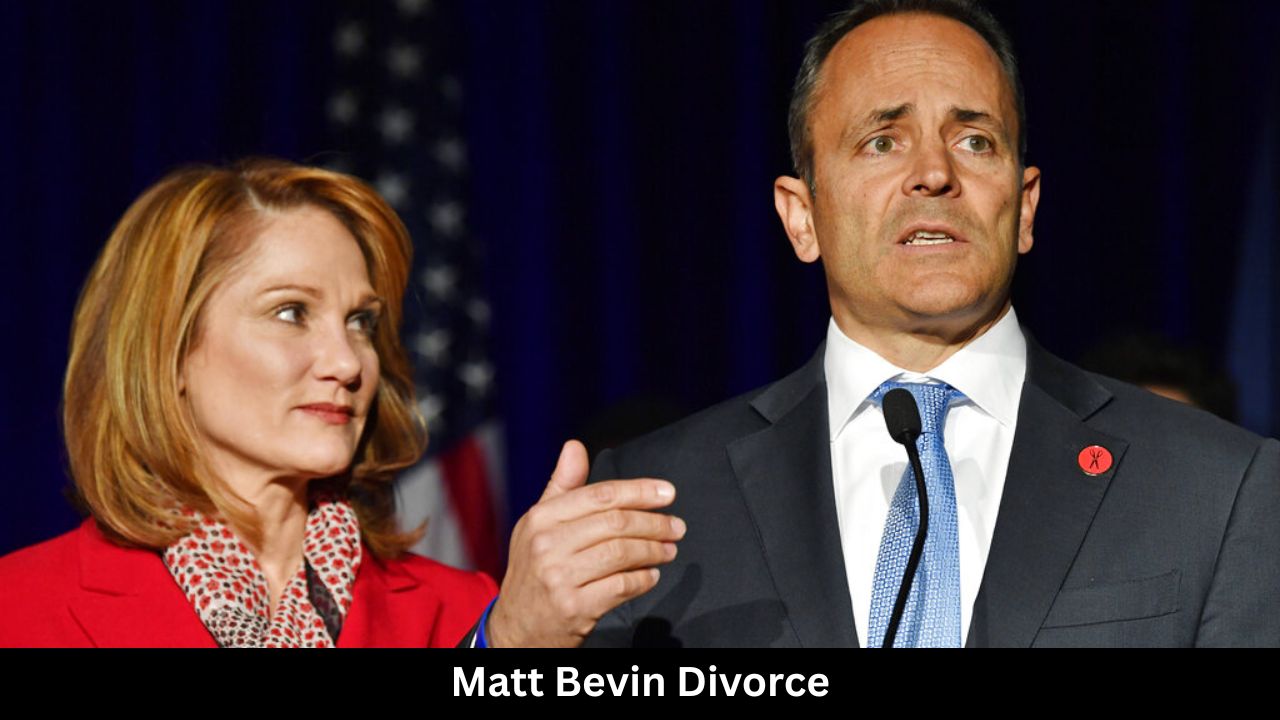
The divorce of former Kentucky governor Matt Bevin has become one of the most talked-about personal and legal stories connected to a U.S. political figure in recent years. What began as a private separation in 2023 evolved into a complex legal battle involving family disputes, financial issues, and ongoing court proceedings that continued into 2026.
Here is a detailed, original, and up-to-date look at Matt Bevin’s divorce, including the timeline, key developments, and where things stand now.
Who Is Matt Bevin?
Matt Bevin is an American businessman and politician who served as the 62nd governor of Kentucky from 2015 to 2019. A member of the Republican Party, he built his career in finance and manufacturing before entering politics.
He married Glenna Bevin in 1996, and together they raised a large family that included both biological and adopted children. For decades, their marriage appeared stable, making the eventual divorce all the more surprising to many observers.
When Did the Divorce Begin?
The couple’s separation became public in May 2023 when Glenna Bevin officially filed for divorce. Court documents stated that the marriage was “irretrievably broken,” and the pair had already been separated for more than a year before the filing.
At the time, the case was initially treated as a private family matter. However, that would soon change as legal disputes intensified and additional details emerged in court proceedings.
Legal Tensions During the Divorce
By 2024, the divorce had already taken a contentious turn. One of the early developments involved Glenna Bevin requesting court protection, alleging that Matt Bevin’s behavior had been “aggressive and unsettling.”
A judge granted an order restricting his access to the marital home, highlighting the growing tension between the two during the separation.
This marked a shift from a routine divorce case to one involving more serious allegations and court intervention.
Divorce Finalized in 2025
After nearly two years of legal proceedings, the divorce was officially finalized in March 2025. A Jefferson Family Court judge issued a decree dissolving the marriage, legally ending their nearly three-decade-long relationship.
However, the finalization did not resolve all aspects of the case. Key issues—especially financial arrangements and family-related matters—remained open and continued to be litigated.
The couple also requested that their divorce settlement remain confidential, seeking privacy amid growing public attention.
The Role of Their Adopted Son
One of the most significant and unusual aspects of the divorce involved their adopted son, Jonah Bevin.
Jonah sought to intervene in the divorce case, arguing that he had been neglected and abandoned and that he required financial support to continue his education and rebuild his life.
His involvement added a new legal dimension to the proceedings, as courts had to consider whether a child could formally participate in a divorce case to seek support.
This issue became a central point of dispute, with Matt Bevin attempting to block Jonah’s involvement through appeals and legal motions.
Ongoing Legal Battles in 2026
Even after the divorce was finalized, legal conflicts continued into 2026.
In early 2026, the case returned to court as disputes over financial disclosures intensified. Judges ordered both Matt Bevin and his ex-wife to provide detailed financial information as part of ongoing proceedings related to potential support obligations.
At one point, a judge criticized the couple for submitting heavily redacted financial documents, stating that they failed to meet court requirements.
Additionally, legal filings revealed that the former governor sought to limit public scrutiny and prevent further involvement from his adopted son, citing concerns about privacy and reputational harm.
Contempt of Court and Financial Issues
One of the most serious developments came in 2026 when court actions escalated over compliance with legal orders.
A judge considered contempt proceedings against Matt Bevin due to his failure to fully disclose financial information required by the court.
The dispute centered on transparency, particularly regarding income, assets, and the ability to provide financial support.
Reports indicated that the Bevins’ legal team argued they did not have “regular income,” instead relying on dividends and investments.
These financial questions became critical in determining potential obligations stemming from the case.
Why the Divorce Gained Public Attention
While many divorces involving public figures attract interest, Matt Bevin’s case stood out for several reasons:
- His status as a former U.S. governor
- The involvement of an adopted child seeking legal recognition
- Allegations related to family treatment and support
- Ongoing court disputes even after the divorce was finalized
The combination of political background and complex family issues turned the case into a widely discussed topic beyond Kentucky.
Privacy vs. Public Interest
A recurring theme throughout the case has been the tension between privacy and public transparency.
Matt Bevin and his ex-wife repeatedly sought to keep aspects of the divorce confidential, particularly financial details and settlement terms.
However, courts often ruled in favor of keeping the case open, emphasizing that such proceedings should generally be accessible unless there is a strong reason to seal them.
This balance between personal privacy and public accountability remains a key issue in high-profile legal cases.
Where Things Stand Now
As of 2026, Matt Bevin’s divorce is legally finalized, but related legal matters are still ongoing.
Outstanding issues include:
- Financial disclosures and transparency
- Potential support obligations
- Continued legal involvement of family members
The case serves as an example of how a divorce can extend beyond the official decree, especially when additional legal and family complexities are involved.
Matt Bevin’s divorce is more than a standard separation—it is a case that has evolved into a prolonged legal and public matter.
From its beginning in 2023 to ongoing court developments in 2026, the story highlights the challenges that can arise when personal, financial, and legal issues intersect on a public stage.
While the marriage itself has ended, the broader legal and family implications continue to unfold, making it one of the most closely followed divorce cases involving a former U.S. political leader in recent years.